Mobile Homes·6 min read·Published August 2026
Texas has no statewide law stopping you from putting a manufactured home on land you own — the deed and the city limits decide. Here is how to check before you buy, and what setup on raw acreage really involves.
Can you put a mobile home on land in Texas? Yes — as long as the land allows it. Texas has no statewide law against placing a mobile or manufactured home on land you own. What decides the question is the specific property: private deed restrictions and, inside city limits, local zoning.
That is why buyers searching for land for mobile homes in Texas focus on rural, unrestricted tracts. On those, a manufactured home is one of the fastest and most affordable ways to live on your own acreage. Here is exactly what’s allowed, what the rules require, and what setup involves.
The Short Answer: Restrictions Decide, Not State Law
Texas is one of the friendliest states for manufactured housing, and counties generally cannot zone rural land. So outside city limits, only two things can block a mobile home:
- Deed restrictions. Many subdivisions record covenants that ban manufactured homes or set minimum home sizes. These private rules are enforceable even in the middle of the countryside.
- City zoning. Inside city limits, ordinances may limit manufactured homes to certain districts or parks.
If a tract sits outside city limits and its deed carries no restrictions against manufactured housing, you can place a mobile home on it. Most La Tierra tracts have no deed restrictions, which means mobile homes, RVs, tiny homes, and barndominiums are all allowed.
Before you buy any land for a mobile home, read the recorded deed restrictions yourself — not just the listing. Our guide to what unrestricted land in Texas really allows shows how to verify a tract is genuinely unrestricted.
Texas Mobile Home Laws: The Rules That Apply Everywhere
Even on unrestricted land, a few statewide rules govern manufactured homes. They are straightforward, and they exist mostly to protect you as the owner.
TDHCA oversight. Manufactured housing in Texas is regulated by the Manufactured Housing Division of the Texas Department of Housing and Community Affairs (TDHCA, tdhca.texas.gov). Modern manufactured homes are built to the federal HUD code, which applies to homes built after mid-1976.
Statement of Ownership. Every manufactured home in Texas has a Statement of Ownership filed with TDHCA — think of it as the home’s title. When you buy or move a home, the Statement of Ownership must be updated.
Licensed installation. Manufactured homes must be transported and installed by a TDHCA-licensed installer, with the home properly blocked, leveled, and anchored.
Real property election. Once your home sits on land you own and is attached to it, you can elect to treat it as real property. The home and land are then taxed together, which also matters for financing and resale.
Check current requirements with TDHCA before you move a home — rules and fees are updated from time to time.
What It Takes to Set Up a Manufactured Home on Acreage
Placing a manufactured home on raw acreage means preparing the site. Plan for these steps:
- Access and pad. A driveway or culvert if needed, plus a level, compacted pad or runner foundation for the home.
- Electric. A meter loop and pole set to the local co-op or utility’s specifications.
- Water. A connection to a rural water supply line where available, or a private well.
- Septic. Rural tracts need an on-site sewage facility (septic system), permitted through the county under Texas Commission on Environmental Quality rules.
- Delivery and install. The licensed installer handles transport, set, leveling, anchoring, and skirting.
Costs vary widely by site, soil, and distance to utilities, so get local quotes rather than trusting internet averages. Well, septic, and internet costs on rural Central Texas land deserve their own line in your budget.
One thing that simplifies the list: buying land where utilities are already close. Most La Tierra tracts have water, electric, and high-speed internet available, which removes the biggest unknowns before you ever order a home.
Free download: The Central Texas Land Buyer’s Checklist walks you through every question to ask before you buy land for a mobile home — get it free at latierratx.com/resources.
Common Mistakes Mobile Home Buyers Make With Land
A few avoidable errors show up again and again:
- Buying land first, checking restrictions second. Always confirm in writing that manufactured homes are allowed before closing.
- Ignoring the floodplain. If the home site sits in a mapped floodplain, the county will require permits and possibly elevation. Check the survey and FEMA maps.
- Underestimating septic. Septic design depends on soil and lot layout. Make sure the tract has room for a permitted system.
- Skipping the survey. You need to know exactly where boundaries, easements, and utility lines sit before placing a home. Every La Tierra tract includes a survey and full documentation.
- Assuming financing works like a house. Financing a home plus raw land can be harder through banks. Owner-financed land with flexible terms lets many buyers secure the land first, then place the home.
Mobile-Home-Friendly Land in Central Texas
If you want acreage for a manufactured home within reach of Austin, look east and southeast of the city, where land is more affordable than the Hill Country and restrictions are fewer.
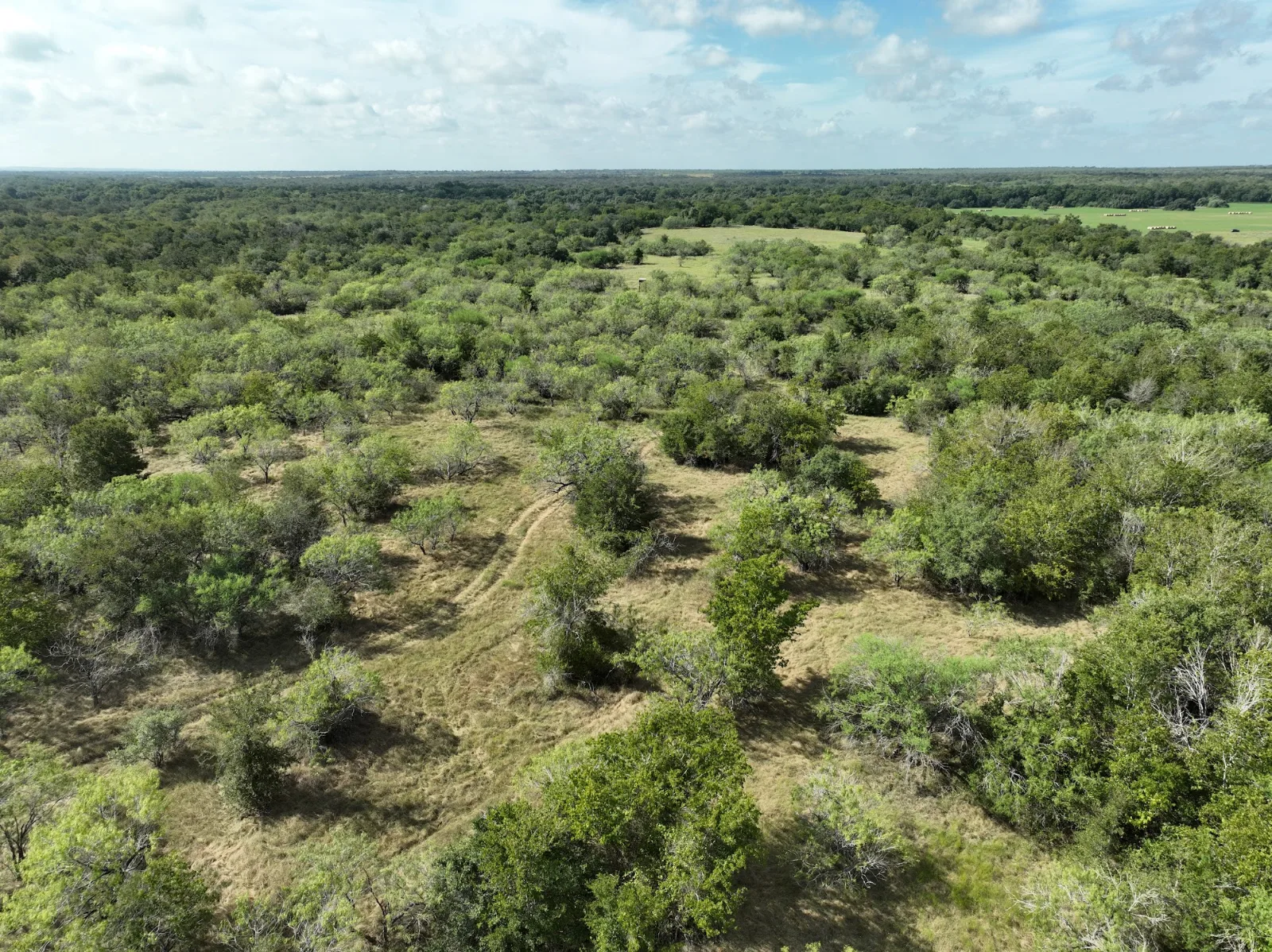
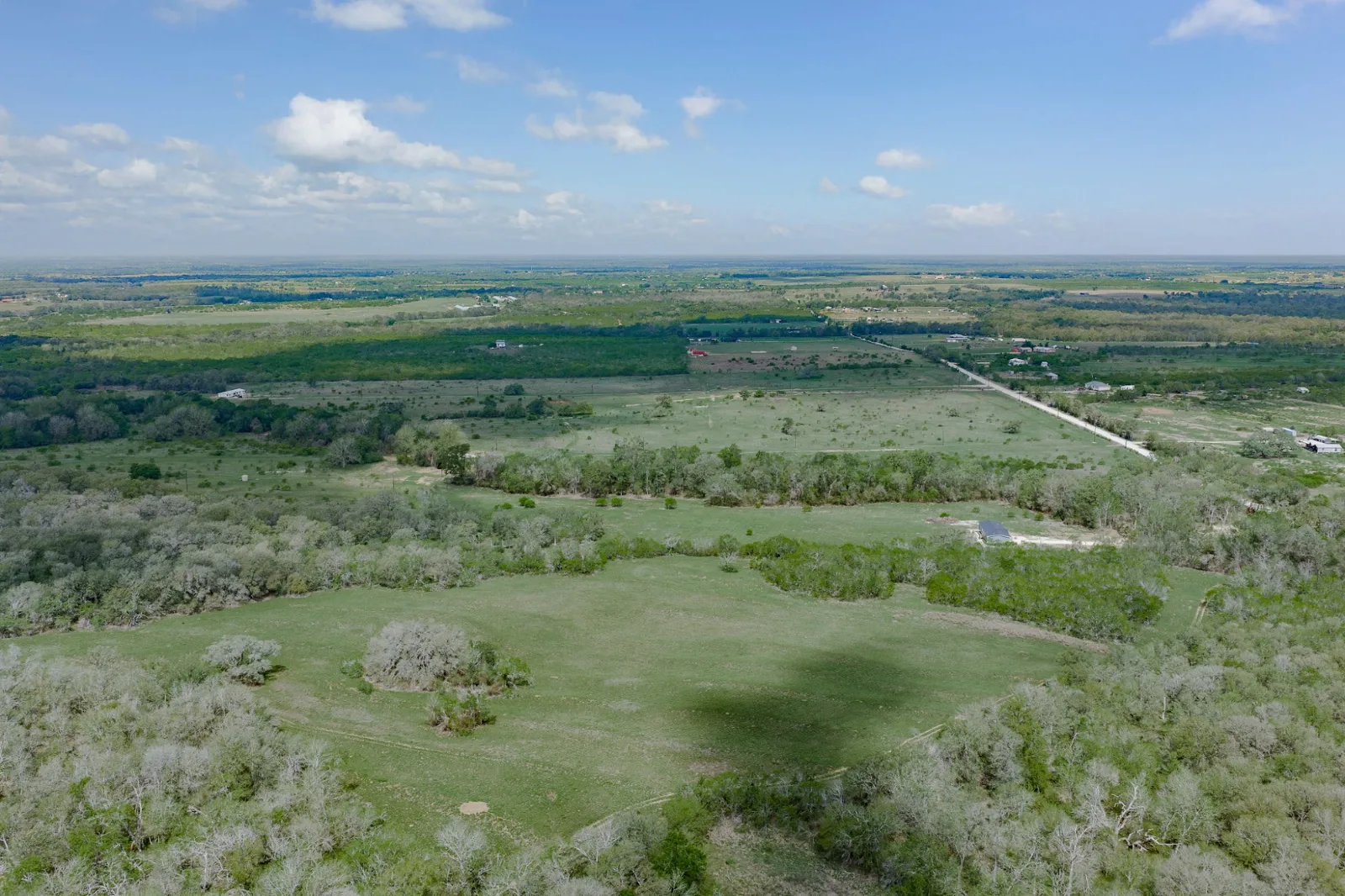
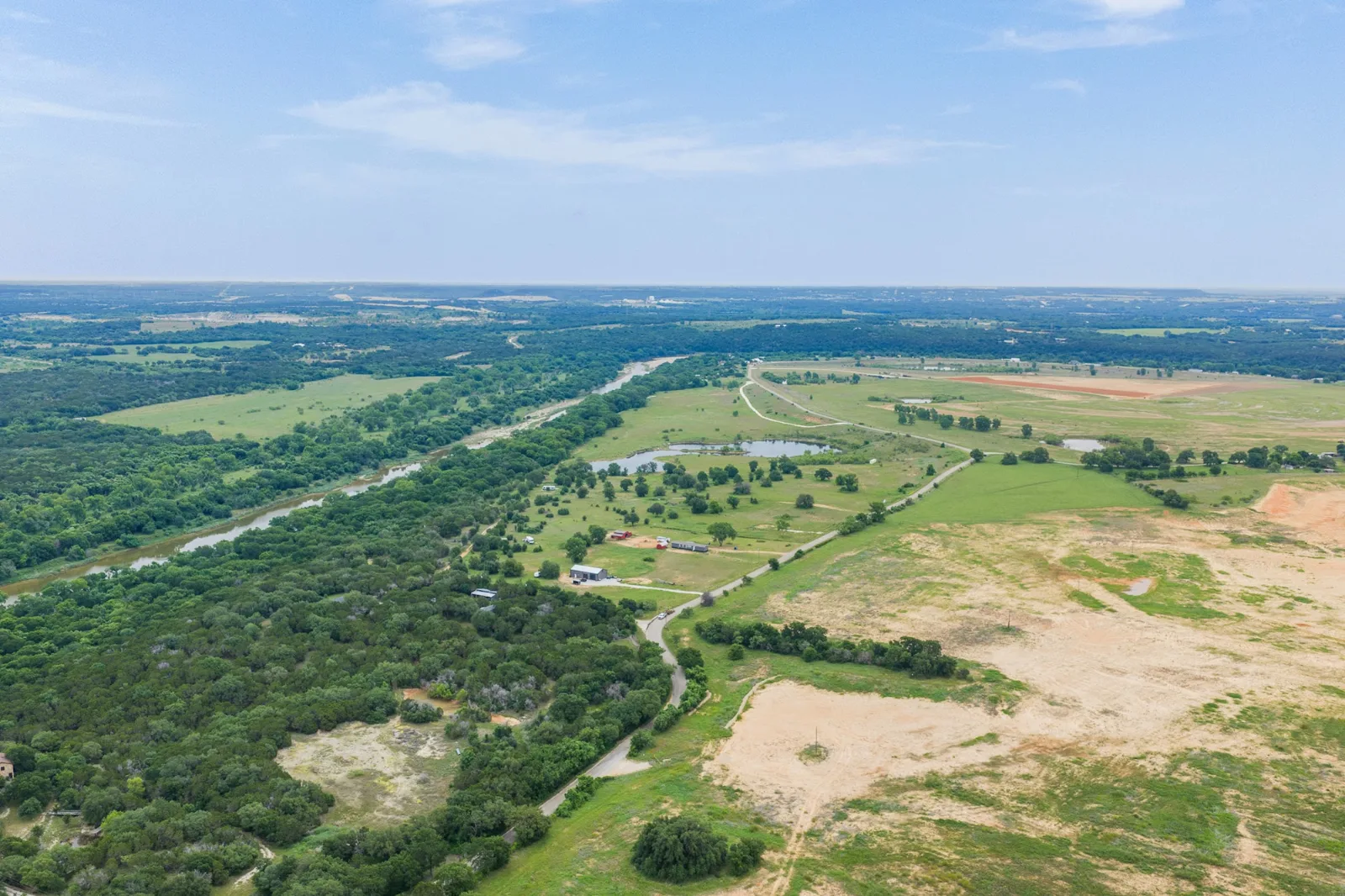
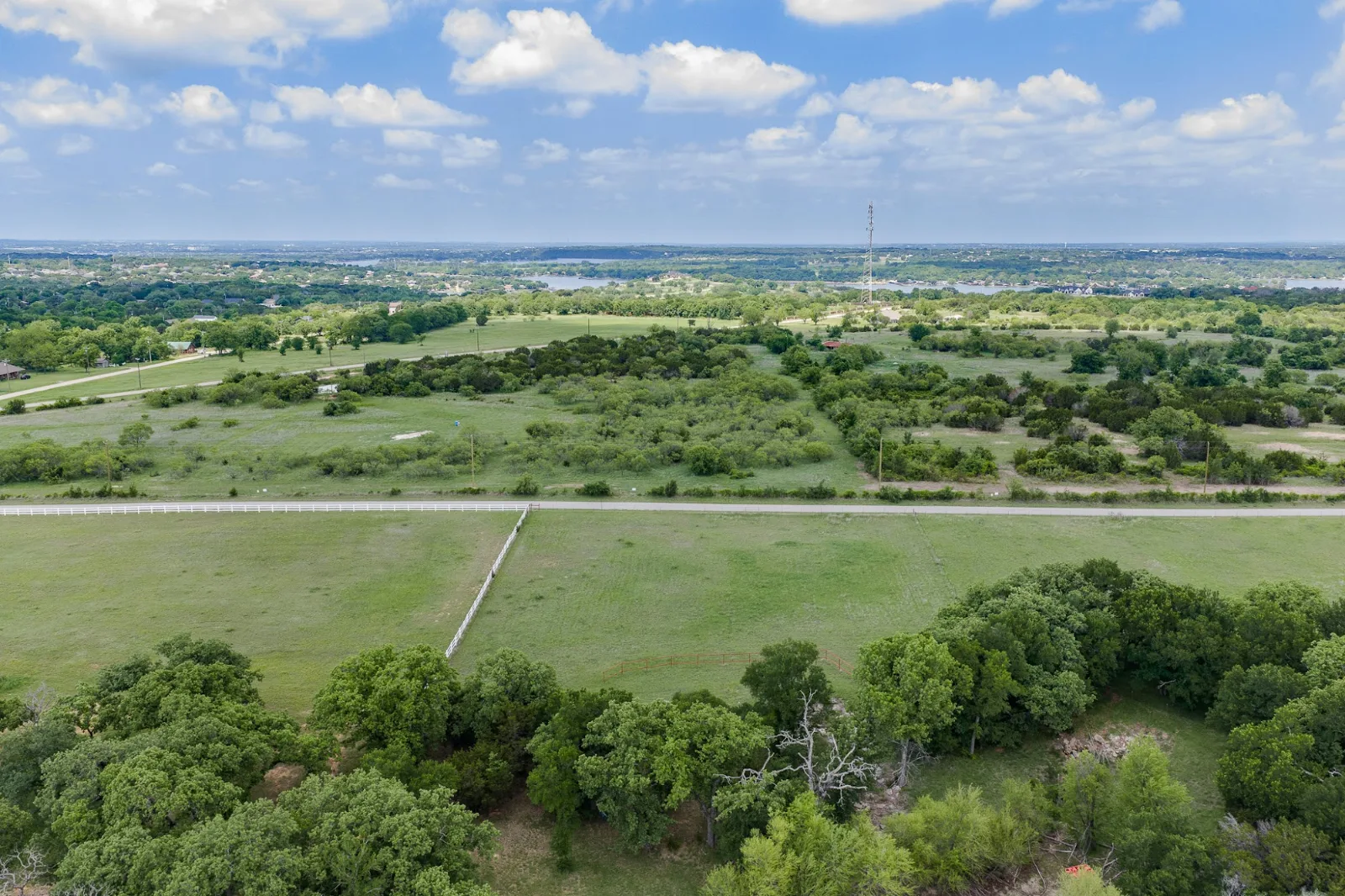
Caldwell County — Lockhart, Luling, Dale, and Seawillow — is a hub for manufactured home on acreage buyers. Tracts typically run 2 to 18+ acres, most are unrestricted, and utilities are available on most La Tierra listings. Drive time to Austin is roughly 30 to 60 minutes depending on the tract.
Similar options run through Bastrop County (Red Rock), Gonzales County (Waelder), Lee County (Giddings), and beyond. Browse Caldwell County land that welcomes mobile homes or compare every county on our best counties to buy land in Central Texas guide.
Most tracts offer owner financing through Stonebridge Purchasing (NMLS #2349261) — a low down payment and flexible terms, with no big banks. Ask about current terms on the tract you like.
Know Before You Buy Land for Your Mobile Home
Deed restrictions, septic capacity, floodplain, utility distance — the Central Texas Land Buyer’s Checklist puts every question in one place, so you can confirm a tract will take your home before you sign anything.
Download the Free Checklist
Browse Available Land
Frequently Asked Questions
Do I need a permit to put a mobile home on my land in Texas?
Outside city limits, there is generally no county “placement permit” for the home itself, but you do need a septic permit, a properly installed electric service, and a TDHCA-licensed installer for the home. Inside city limits, local zoning and permits apply.
Can I put a mobile home on any rural land in Texas?
Only if the deed allows it. Many rural subdivisions have recorded restrictions banning manufactured homes even without an HOA. Read the deed restrictions and title commitment before buying, or buy a tract documented as unrestricted.
Is a manufactured home on land considered real property in Texas?
It can be. Once the home is attached to land you own, you can file to convert it to real property through TDHCA’s Statement of Ownership process. The home and land are then taxed and sold together.
How many mobile homes can I put on one tract?
On unrestricted land, Texas law does not set a general limit, but each home needs adequate septic capacity, and county septic rules effectively limit density. Confirm with the county’s permitting office before planning multiple homes.
Can I live in an RV on my land while my mobile home is being set up?
On unrestricted land, yes — that is a common bridge plan. You still need legal wastewater disposal, such as a permitted septic system.
This article is general information for Texas land buyers and is not legal, tax, or financial advice. Verify restrictions, taxes, utilities, and financing terms with the county and with La Tierra before you buy.
¿Puede poner una casa móvil en un terreno en Texas? Sí — siempre y cuando el terreno lo permita. Texas no tiene ninguna ley estatal que prohíba colocar una casa móvil o manufacturada en un terreno de su propiedad. Lo que decide la respuesta es la propiedad específica: las restricciones privadas de la escritura y, dentro de los límites de la ciudad, la zonificación local.
Por eso los compradores que buscan terrenos para casas móviles en Texas se enfocan en parcelas rurales sin restricciones. En ellas, una casa manufacturada es una de las formas más rápidas y económicas de vivir en su propia tierra. Esto es exactamente lo que se permite, lo que exigen las reglas y lo que implica la instalación.
La respuesta corta: deciden las restricciones, no la ley estatal
Texas es uno de los estados más favorables para la vivienda manufacturada, y por lo general los condados no pueden zonificar el terreno rural. Así que fuera de los límites de la ciudad, solo dos cosas pueden impedir una casa móvil:
- Restricciones de la escritura. Muchos fraccionamientos registran convenios que prohíben las casas manufacturadas o fijan un tamaño mínimo de vivienda. Estas reglas privadas se pueden hacer cumplir incluso en pleno campo.
- Zonificación municipal. Dentro de los límites de la ciudad, las ordenanzas pueden limitar las casas manufacturadas a ciertos distritos o parques.
Si una parcela está fuera de los límites de la ciudad y su escritura no tiene restricciones contra la vivienda manufacturada, usted puede colocar una casa móvil en ella. La mayoría de las parcelas de La Tierra no tienen restricciones de escritura, lo que significa que se permiten casas móviles, casas rodantes (RV), casas pequeñas y barndominios.
Antes de comprar cualquier terreno para una casa móvil, lea usted mismo las restricciones registradas en la escritura — no solo el anuncio. Nuestra guía sobre lo que realmente permite un terreno sin restricciones en Texas le muestra cómo verificar que una parcela esté genuinamente libre de restricciones.
Leyes de casas móviles en Texas: las reglas que aplican en todas partes
Incluso en terrenos sin restricciones, algunas reglas estatales rigen las casas manufacturadas. Son sencillas y existen sobre todo para protegerlo a usted como propietario.
Supervisión del TDHCA. La vivienda manufacturada en Texas está regulada por la División de Vivienda Manufacturada del Departamento de Vivienda y Asuntos Comunitarios de Texas (TDHCA, tdhca.texas.gov). Las casas manufacturadas modernas se construyen conforme al código federal HUD, que aplica a las casas construidas después de mediados de 1976.
Declaración de propiedad (Statement of Ownership). Cada casa manufacturada en Texas tiene una Declaración de Propiedad registrada ante el TDHCA — piense en ella como el título de la vivienda. Cuando usted compra o traslada una casa, la Declaración de Propiedad debe actualizarse.
Instalación con licencia. Las casas manufacturadas deben ser transportadas e instaladas por un instalador con licencia del TDHCA, con la vivienda debidamente nivelada, apoyada y anclada.
Elección como propiedad inmueble. Una vez que su casa se asienta en un terreno de su propiedad y queda fijada a él, usted puede optar por tratarla como propiedad inmueble. La casa y el terreno se gravan entonces en conjunto, lo cual también importa para el financiamiento y la reventa.
Consulte los requisitos vigentes con el TDHCA antes de trasladar una casa — las reglas y las tarifas se actualizan de vez en cuando.
Lo que implica instalar una casa manufacturada en acres
Colocar una casa manufacturada en terreno crudo significa preparar el sitio. Considere estos pasos:
- Acceso y plataforma. Una entrada o alcantarilla si hace falta, más una plataforma nivelada y compactada o una cimentación de rieles para la vivienda.
- Electricidad. Un poste y medidor instalados conforme a las especificaciones de la cooperativa o compañía eléctrica local.
- Agua. Una conexión a la línea rural de suministro de agua donde esté disponible, o un pozo privado.
- Sistema séptico. Las parcelas rurales necesitan una instalación séptica en el sitio, autorizada por el condado bajo las reglas de la Comisión de Calidad Ambiental de Texas.
- Entrega e instalación. El instalador con licencia se encarga del transporte, la colocación, la nivelación, el anclaje y el faldón perimetral.
Los costos varían mucho según el sitio, el suelo y la distancia a los servicios, así que pida cotizaciones locales en lugar de confiar en promedios de internet. Los costos de pozo, séptico e internet en terrenos rurales del Centro de Texas merecen su propia línea en su presupuesto.
Algo que simplifica la lista: comprar terreno donde los servicios ya estén cerca. La mayoría de las parcelas de La Tierra tienen agua, electricidad e internet de alta velocidad disponibles, lo que elimina las mayores incógnitas antes de que usted siquiera ordene una casa.
Descarga gratuita: La Lista de Verificación para Compradores de Terrenos del Centro de Texas lo guía por cada pregunta que debe hacer antes de comprar terreno para una casa móvil — obténgala gratis en latierratx.com/resources.
Errores comunes de los compradores de casas móviles con el terreno
Algunos errores evitables aparecen una y otra vez:
- Comprar el terreno primero y revisar las restricciones después. Confirme siempre por escrito que se permiten casas manufacturadas antes del cierre.
- Ignorar la zona inundable. Si el sitio de la vivienda está en una zona inundable mapeada, el condado exigirá permisos y posiblemente elevación. Revise el levantamiento topográfico y los mapas de FEMA.
- Subestimar el sistema séptico. El diseño séptico depende del suelo y de la distribución del lote. Asegúrese de que la parcela tenga espacio para un sistema autorizado.
- Saltarse el levantamiento topográfico. Necesita saber exactamente dónde están los linderos, las servidumbres y las líneas de servicios antes de colocar una casa. Cada parcela de La Tierra incluye levantamiento y documentación completa.
- Suponer que el financiamiento funciona como el de una casa. Financiar una vivienda más terreno crudo puede ser más difícil a través de los bancos. El terreno con financiamiento del propietario y términos flexibles permite a muchos compradores asegurar primero el terreno y luego colocar la casa.
Terrenos aptos para casas móviles en el Centro de Texas
Si quiere acres para una casa manufacturada cerca de Austin, mire al este y al sureste de la ciudad, donde la tierra es más económica que en el Hill Country y hay menos restricciones.
El condado de Caldwell — Lockhart, Luling, Dale y Seawillow — es un punto clave para quienes buscan una casa manufacturada en acres. Las parcelas suelen ir de 2 a más de 18 acres, la mayoría no tiene restricciones y los servicios están disponibles en la mayoría de los listados de La Tierra. El tiempo de manejo a Austin es de aproximadamente 30 a 60 minutos según la parcela.
Opciones similares se encuentran en el condado de Bastrop (Red Rock), el condado de Gonzales (Waelder), el condado de Lee (Giddings) y más allá. Explore terrenos en el condado de Caldwell que aceptan casas móviles o compare todos los condados en nuestra guía de los mejores condados para comprar terreno en el Centro de Texas.
La mayoría de las parcelas ofrecen financiamiento del propietario a través de Stonebridge Purchasing (NMLS #2349261) — con un enganche bajo y términos flexibles, sin grandes bancos. Pregúntenos por los términos vigentes de la parcela que le interese.
Infórmese antes de comprar terreno para su casa móvil
Restricciones de escritura, capacidad séptica, zona inundable, distancia a los servicios — la Lista de Verificación para Compradores de Terrenos del Centro de Texas reúne cada pregunta en un solo lugar, para que confirme que una parcela aceptará su casa antes de firmar nada.
Descargue la lista gratuita
Ver terrenos disponibles
Preguntas frecuentes
¿Necesito un permiso para poner una casa móvil en mi terreno en Texas?
Fuera de los límites de la ciudad, por lo general no existe un “permiso de colocación” del condado para la vivienda en sí, pero sí necesita un permiso séptico, un servicio eléctrico correctamente instalado y un instalador con licencia del TDHCA para la casa. Dentro de los límites de la ciudad, aplican la zonificación y los permisos locales.
¿Puedo poner una casa móvil en cualquier terreno rural de Texas?
Solo si la escritura lo permite. Muchos fraccionamientos rurales tienen restricciones registradas que prohíben las casas manufacturadas, incluso sin una asociación de propietarios. Lea las restricciones de la escritura y el compromiso de título antes de comprar, o compre una parcela documentada como libre de restricciones.
¿Una casa manufacturada sobre terreno se considera propiedad inmueble en Texas?
Puede serlo. Una vez que la casa queda fijada a un terreno de su propiedad, usted puede solicitar convertirla en propiedad inmueble mediante el proceso de Declaración de Propiedad del TDHCA. La casa y el terreno se gravan y se venden entonces en conjunto.
¿Cuántas casas móviles puedo poner en una sola parcela?
En terrenos sin restricciones, la ley de Texas no fija un límite general, pero cada vivienda necesita capacidad séptica adecuada, y las reglas sépticas del condado limitan la densidad en la práctica. Confirme con la oficina de permisos del condado antes de planear varias viviendas.
¿Puedo vivir en una casa rodante en mi terreno mientras instalan mi casa móvil?
En terrenos sin restricciones, sí — es un plan puente común. Aún necesita una disposición legal de aguas residuales, como un sistema séptico autorizado.
Este artículo es información general para compradores de terrenos en Texas y no constituye asesoría legal, fiscal ni financiera. Verifique las restricciones, los impuestos, los servicios y los términos de financiamiento con el condado y con La Tierra antes de comprar.