Land Prices·8 min read·Updated June 2026
“It depends” isn’t helpful — so here are real ranges, the factors that drive price per acre, and how Central Texas areas compare.
It’s the first question almost every buyer asks: how much does an acre of land cost in Texas? The honest answer is “it depends” — but that’s not very useful, so let’s put real ranges and the factors that move them around it, with a focus on Central Texas.
The short answer
Across rural Central Texas, raw-land prices commonly range from the low thousands to the low tens of thousands of dollars per acre, depending heavily on location and size. Smaller tracts near a growing town carry a higher price per acre than large rural parcels far from a metro. The only way to know today’s number for a specific area is to compare current listings — you can see live pricing on our available properties page.
What actually drives the price per acre
- Proximity to a metro. Land within commuting distance of Austin, Fort Worth, or San Antonio costs more than land an hour or two out.
- Tract size. Price per acre usually drops as acreage rises — a 2-acre homesite costs more per acre than a 20-acre ranch.
- Access & utilities. Paved road frontage, electricity at the road, and available water raise value versus a remote, off-grid parcel.
- Water & features. River frontage, a pond or lake, and mature trees command a premium.
- Restrictions & use. Unrestricted, build-ready land that allows homes, barndominiums, and mobile homes is often more valuable to buyers than heavily restricted lots.
- Topography. Usable, gently rolling ground is worth more than steep or flood-prone land.
How Central Texas areas compare
Within La Tierra’s footprint, you’ll generally see a spread like this (always confirm against current listings):
- Closer-in Caldwell County (Lockhart, Luling): popular with Austin and San Antonio commuters, so demand — and price per acre — runs higher.
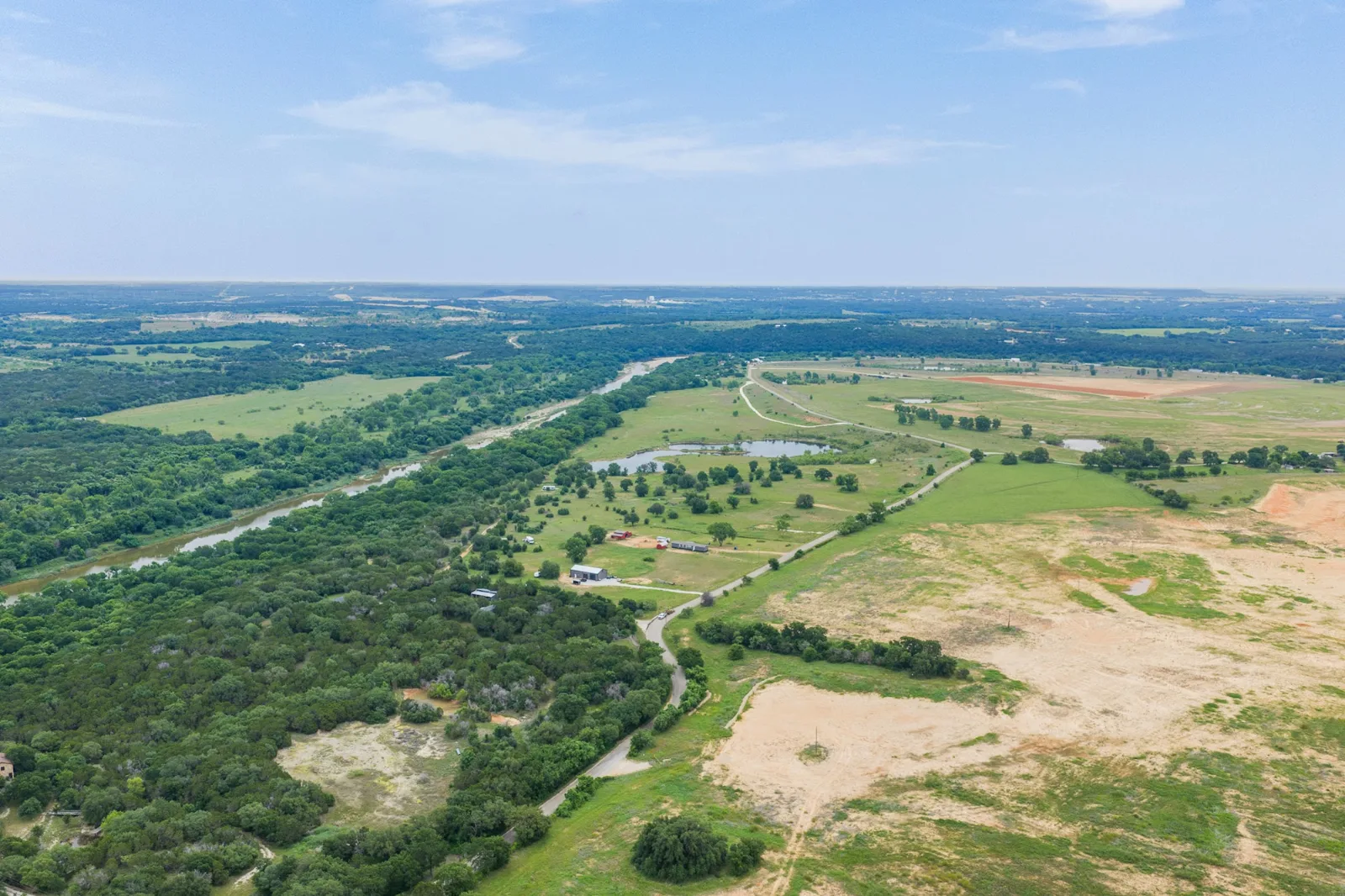
- Hood County (Granbury) & the Brazos River corridor: riverfront and lake-adjacent tracts carry a premium; interior acreage is more affordable.
- Washington County (Brenham) & the Brazos Valley: classic, scenic countryside between Houston and Austin.
- Outer counties (Lee/Giddings, Milam, Gonzales/Waelder): the most land for your money, with longer drives to a metro.
For example, smaller affordable tracts on our site start around the mid-five figures total, while larger acreage and riverfront homesites run well into six figures — a reminder that total price and price per acre tell different stories.
Don’t forget the costs beyond the land
The sticker price isn’t the whole picture. Budget for a water well and septic system if they’re not already in place, an electric drop, and ongoing property taxes (which an ag exemption can reduce). These can add meaningfully to your all-in cost.
How financing changes the math
Most buyers don’t pay cash. With owner financing, what matters month to month is your down payment and monthly note, not just the price per acre. A higher-priced tract with a comfortable monthly payment can be a better fit than a cheaper one that stretches you. Use the financing calculator on any property page to model it.
Chasing the lowest price per acre can backfire — access, utilities, and usability often matter more than the headline number.
Ready to see real numbers? Browse current Central Texas tracts with live pricing, or read which county fits you best.
Ready to find your piece of Texas?
Browse surveyed, owner-financed tracts across Central Texas — or take our 60-second quiz and we’ll match you to your best-fit lots.
Browse Available Land →
Take the Quiz
Frequently asked questions
How much does an acre of land cost in Central Texas?
It varies widely by location, size, access, and features — from a few thousand to tens of thousands of dollars per acre. Smaller tracts near a metro cost more per acre than large rural parcels. Check current listings for today’s pricing.
Why is price per acre higher on small tracts?
Demand for build-ready homesites is high, and fixed costs (survey, road, utilities, access) are spread over fewer acres — so smaller tracts carry a higher price per acre than large ranches.
What extra costs come with raw land?
Plan for a water well, septic system, an electric connection, and property taxes. An agricultural exemption can lower the tax bill on qualifying acreage.
Are these prices exact?
No — ranges here are general market estimates. Always confirm against current listings and a recent survey before budgeting.
This article is general information for Texas land buyers and is not legal, tax, or financial advice. Verify restrictions, taxes, utilities, and financing terms with the county and with La Tierra before you buy.
Es la primera pregunta que casi todo comprador hace: ¿cuánto cuesta un acre de terreno en Texas? La respuesta honesta es “depende” — pero eso no es muy útil, así que pongamos a su alrededor rangos reales y los factores que los mueven, con enfoque en el Centro de Texas.
La respuesta corta
En el Centro de Texas rural, los precios del terreno crudo suelen ir desde unos pocos miles hasta las decenas bajas de miles de dólares por acre, dependiendo mucho de la ubicación y el tamaño. Las parcelas más pequeñas cerca de un pueblo en crecimiento tienen un precio por acre más alto que las grandes parcelas rurales lejos de una metrópoli. La única forma de conocer el número de hoy para una zona específica es comparar listados actuales — puedes ver precios en vivo en nuestra página de propiedades disponibles.
Qué determina realmente el precio por acre
- Cercanía a una metrópoli. El terreno a distancia de viaje de Austin, Fort Worth o San Antonio cuesta más que el terreno a una o dos horas.
- Tamaño de la parcela. El precio por acre normalmente baja a medida que sube la superficie — un lote de 2 acres cuesta más por acre que un rancho de 20 acres.
- Acceso y servicios. El frente a un camino pavimentado, la electricidad en el camino y el agua disponible elevan el valor frente a una parcela remota y fuera de la red.
- Agua y características. El frente al río, un estanque o lago y los árboles maduros tienen un sobreprecio.
- Restricciones y uso. El terreno sin restricciones, listo para construir, que permite casas, barndominios y casas móviles suele ser más valioso para los compradores que los lotes muy restringidos.
- Topografía. El terreno utilizable y suavemente ondulado vale más que el terreno empinado o propenso a inundaciones.
Cómo se comparan las zonas del Centro de Texas
Dentro del área de La Tierra, generalmente verás un rango como este (confirma siempre con los listados actuales):
- Condado de Caldwell más cercano (Lockhart, Luling): popular entre quienes viajan a Austin y San Antonio, así que la demanda — y el precio por acre — es más alta.
- Condado de Hood (Granbury) y el corredor del río Brazos: las parcelas frente al río y junto al lago tienen un sobreprecio; la superficie interior es más asequible.
- Condado de Washington (Brenham) y el Brazos Valley: campiña clásica y escénica entre Houston y Austin.
- Condados exteriores (Lee/Giddings, Milam, Gonzales/Waelder): el mayor terreno por tu dinero, con trayectos más largos a una metrópoli.
Por ejemplo, las parcelas más pequeñas y asequibles en nuestro sitio comienzan alrededor de los cinco dígitos medios en total, mientras que la superficie más grande y los lotes frente al río llegan bien a las seis cifras — un recordatorio de que el precio total y el precio por acre cuentan historias diferentes.
No olvides los costos más allá del terreno
El precio de lista no es toda la imagen. Presupuesta un pozo de agua y un sistema séptico si aún no están instalados, una acometida eléctrica y los impuestos prediales continuos (que una exención agrícola puede reducir). Estos pueden sumar significativamente a tu costo total.
Cómo cambia las cuentas el financiamiento
La mayoría de los compradores no pagan en efectivo. Con el financiamiento del dueño, lo que importa mes a mes es tu enganche y tu pago mensual, no solo el precio por acre. Una parcela más cara con un pago mensual cómodo puede quedarte mejor que una más barata que te exija demasiado. Usa la calculadora de financiamiento en cualquier página de propiedad para modelarlo.
Perseguir el precio por acre más bajo puede salir mal — el acceso, los servicios y la usabilidad a menudo importan más que el número de portada.
¿Listo para ver números reales? Explora parcelas actuales del Centro de Texas con precios en vivo, o lee qué condado te queda mejor.
¿Listo para encontrar tu pedazo de Texas?
Explora parcelas deslindadas y con financiamiento del dueño en todo el Centro de Texas — o haz nuestro cuestionario de 60 segundos y te emparejaremos con los lotes que mejor te queden.
Explorar Terrenos Disponibles →
Hacer el Cuestionario
Preguntas frecuentes
¿Cuánto cuesta un acre de terreno en el Centro de Texas?
Varía mucho según la ubicación, el tamaño, el acceso y las características — desde unos pocos miles hasta decenas de miles de dólares por acre. Las parcelas más pequeñas cerca de una metrópoli cuestan más por acre que las grandes parcelas rurales. Consulta los listados actuales para conocer los precios de hoy.
¿Por qué el precio por acre es más alto en parcelas pequeñas?
La demanda de lotes listos para construir es alta, y los costos fijos (deslinde, camino, servicios, acceso) se reparten entre menos acres — así que las parcelas más pequeñas tienen un precio por acre más alto que los ranchos grandes.
¿Qué costos adicionales conlleva el terreno crudo?
Considera un pozo de agua, un sistema séptico, una conexión eléctrica y los impuestos prediales. Una exención agrícola puede reducir la cuenta de impuestos sobre la superficie que califique.
¿Estos precios son exactos?
No — los rangos aquí son estimaciones generales del mercado. Confirma siempre con los listados actuales y un deslinde reciente antes de presupuestar.
Este artículo es información general para compradores de terrenos en Texas y no constituye asesoría legal, fiscal ni financiera. Verifica las restricciones, los impuestos, los servicios y los términos de financiamiento con el condado y con La Tierra antes de comprar.